What is Paint Protection and How Does it Work?
 by
by
August 19, 2026
Paint Protection Explained
Paint protection refers to a specialised application that shields your vehicle’s exterior from damage. It safeguards the paintwork against scratches, stone chips, and harmful UV rays.
The process typically involves applying a clear layer over the car’s surface. This barrier acts as a shield, absorbing impacts and preventing contaminants from bonding to the paint.
There are two primary forms of paint protection: ceramic coatings and films. Coatings create a chemical bond with the surface for durability, while films offer physical protection through thick layers designed to absorb impact.
Understanding how these products work helps you decide what best suits your vehicle needs. Choosing quality options ensures your car remains pristine longer than it would without any protective measures in place.
Types of Paint Protection: Coatings vs. Films
When it comes to paint protection, two popular options stand out: coatings and films. Each has its unique strengths and ideal use cases.
Paint coatings are liquid solutions that bond with the car’s surface, known as ceramic or graphene coatings. They create a strong, hydrophobic layer that repels water and contaminants. This type of protection enhances shine while making cleaning easier.
On the other hand, paint protection films (PPF) are thicker, transparent layers applied directly onto the vehicle’s exterior. They act as a shield against scratches, chips, and minor abrasions. PPF is especially beneficial for high-impact areas like hoods or bumpers.
Choosing between coatings and films depends on your needs. If you want long-lasting shine with easy maintenance, go for coatings. If durability against physical damage is your priority, then PPF might be the better choice for you.

DIY vs. Professional Installation
When it comes to paint protection, one of the biggest decisions is whether to go DIY or hire a professional. Each route has its own merits.
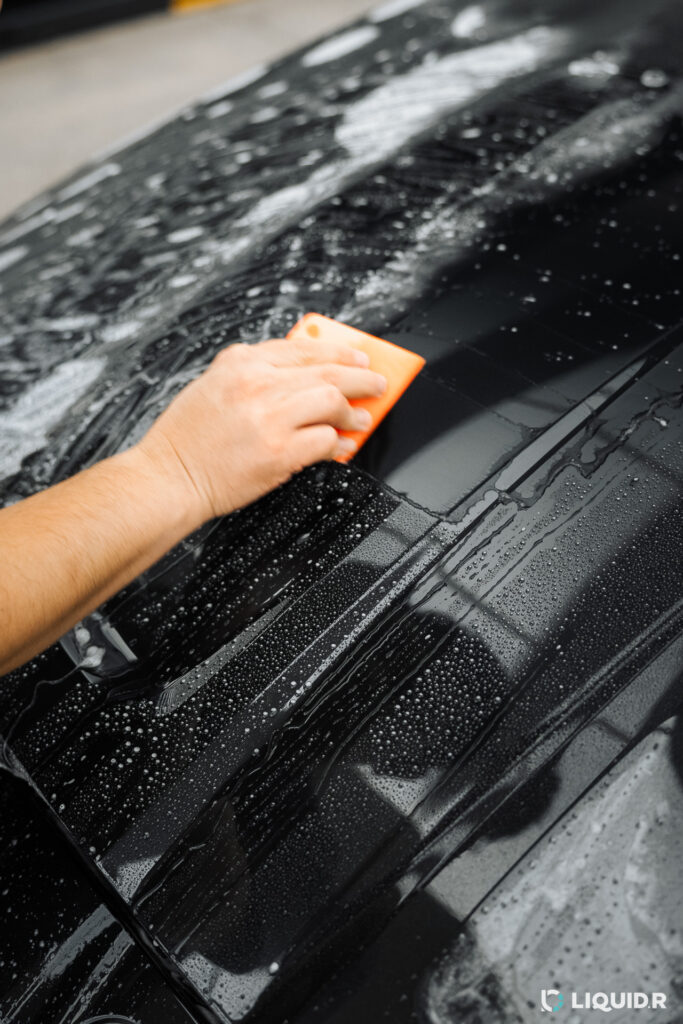
DIY installation can save you money upfront. If you’re handy and enjoy working on your car, this option might be appealing. There are plenty of tutorials and kits available that make the process accessible for beginners.
However, it’s important to consider the learning curve. Mistakes during application can lead to bubbles or improper adhesion, ultimately costing more in repairs later on.
On the other hand, professional installation offers expertise and precision. Experienced technicians understand how to apply coatings or films correctly for optimal durability and appearance.
While it may involve higher initial costs, investing in a pro like Liquid R means peace of mind knowing that everything is done right from the start. The choice between DIY and professional relies heavily on your comfort level with such tasks—evaluate what works best for your situation before deciding!