-
Preserving Elegance With Classic Car Detailing
 by
by
January 23, 2026
Preserving Classic Car Elegance With Paint Protection
A Preservation-First Approach to Classic Car Care
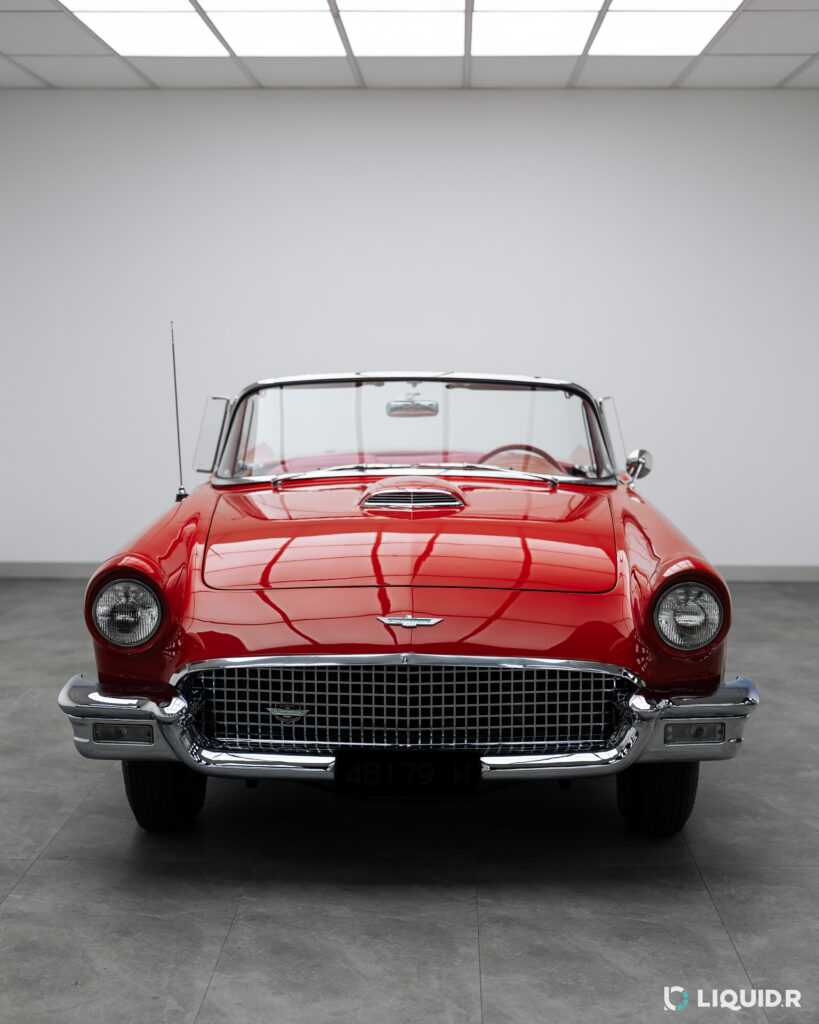
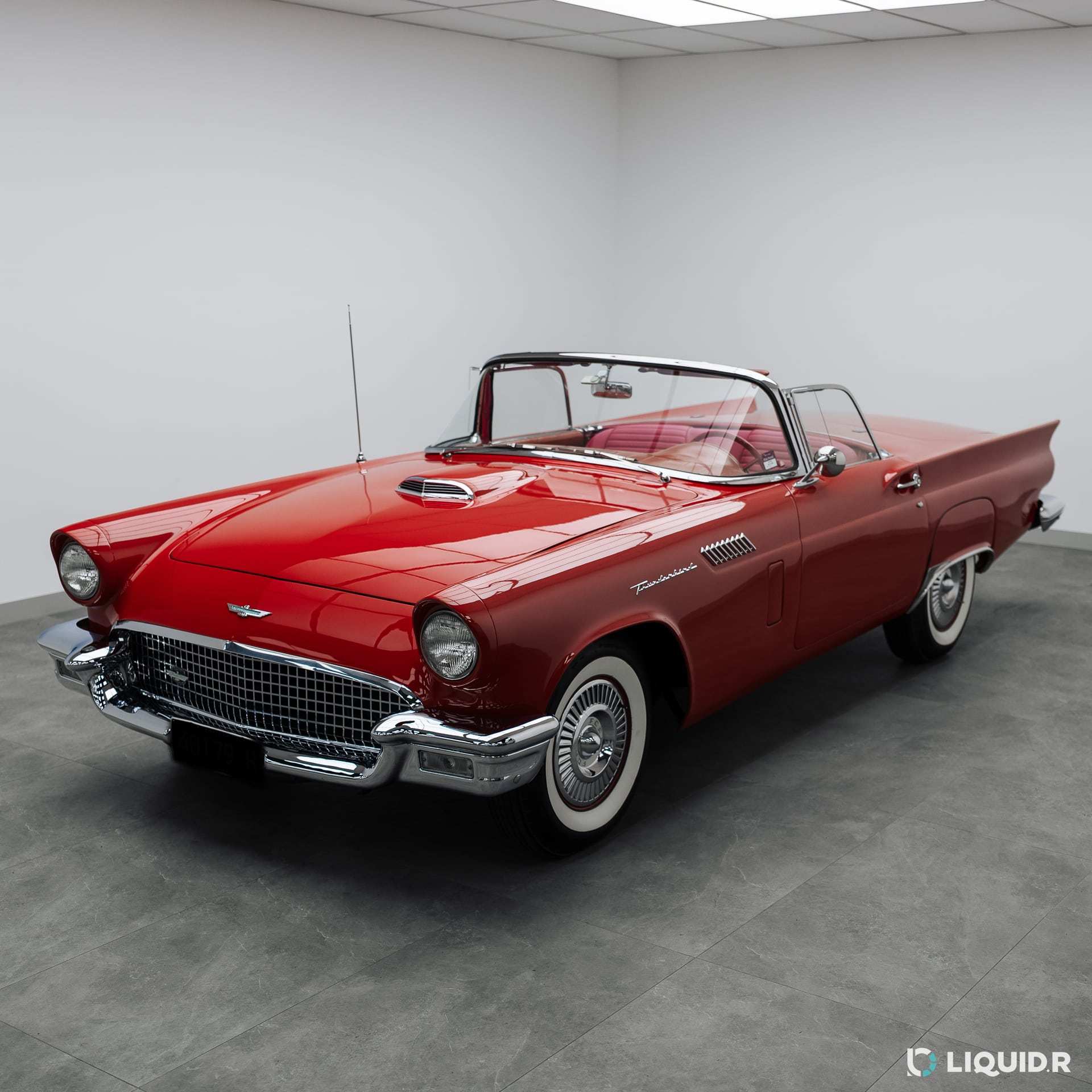
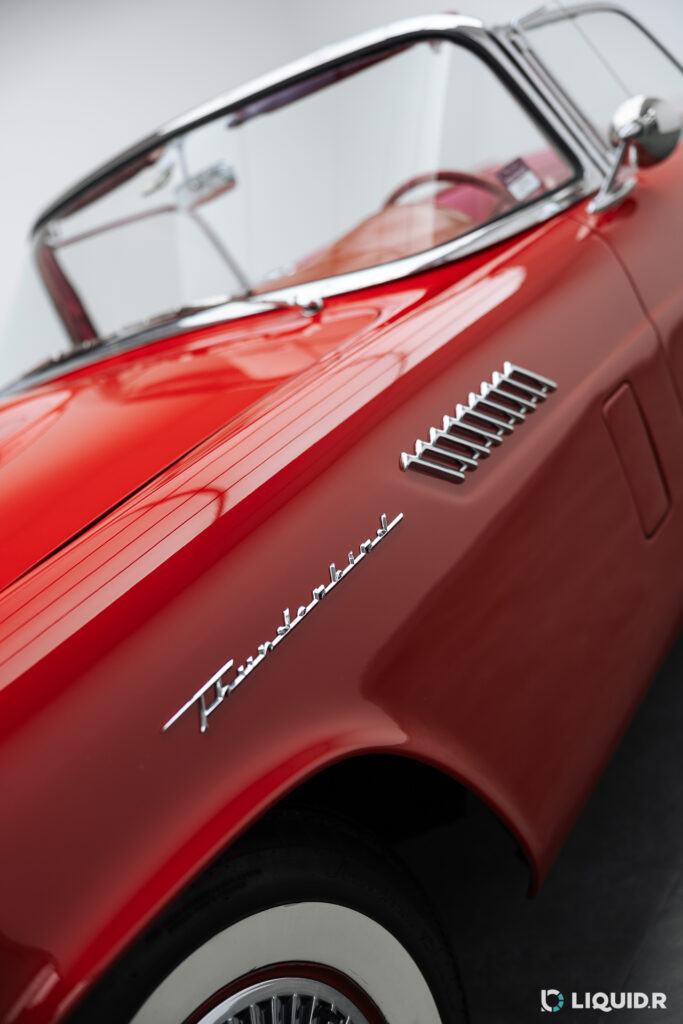
In the world of classic car detailing, preserving elegance through meticulous care is paramount, especially for those cherished automotive masterpieces that tell stories of yesteryear. These vehicles are not mere machines; they embody a rich tapestry of craftsmanship and nostalgia, crafted with materials and techniques that evoke an appreciation for artistry long gone.
Unlike their modern counterparts, which often flaunt high-tech finishes designed to withstand the rigors of contemporary life, classic cars demand a preservation-first approach that honors their unique characteristics.
Paint protection takes on a distinctive role here, it’s about safeguarding the original paintwork without imposing an artificial sheen or overwhelming gloss.
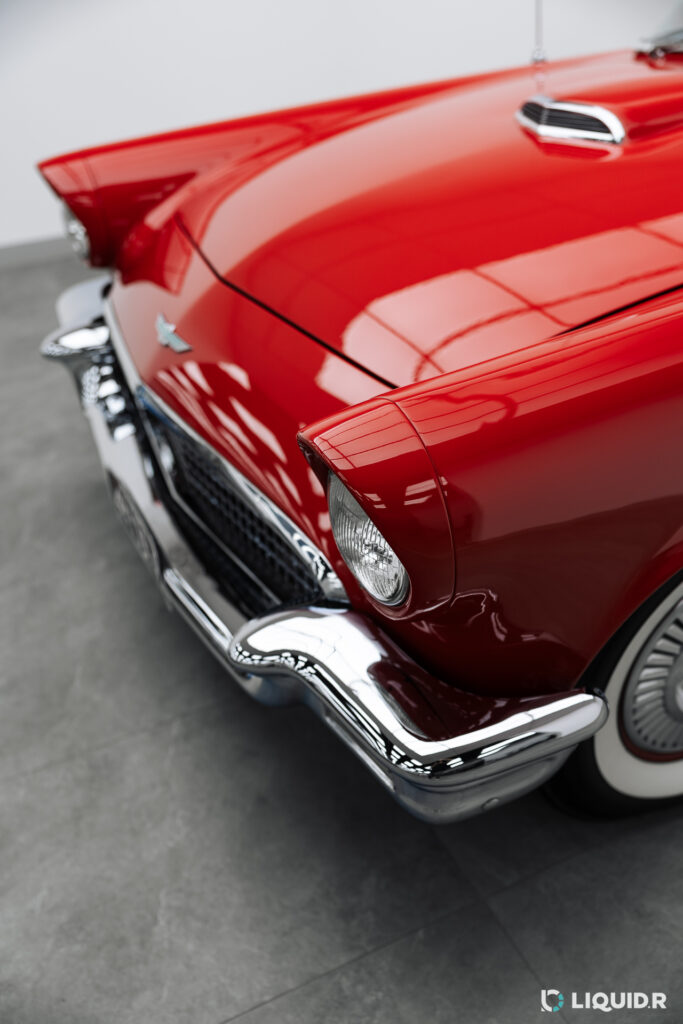
In Melbourne’s sun-drenched landscape where UV rays relentlessly beat down upon these vintage icons, employing specialized products tailored to single-stage paints or early clear coats becomes essential. Each stroke during detailing serves as both homage and armor: enhancing natural patinas. While protecting against environmental threats like airborne pollutants and sudden weather shifts that can hasten deterioration.
This thoughtful balance allows each vehicle’s history to shine through while ensuring its legacy endures for generations to come. A true testament to what it means to be a steward of automotive heritage in this vibrant city.
Why Classic Paint Demands Restraint
One of the most common and costly mistakes vehicle owners make is assuming modern paint systems are tougher and more forgiving than classic finishes. In reality, the opposite is often true. Contemporary automotive paint is typically thinner, not thicker, the result of highly automated manufacturing processes, water-based coatings, strict environmental regulations, and efficiency-driven production lines. While modern vehicles use multi-layer systems, those layers are frequently applied at minimal tolerances, leaving very little margin for aggressive correction.
This means modern paint often cannot be safely corrected multiple times, as excessive polishing can quickly compromise the clear coat. Once that protective layer is breached, there is no room for recovery without repainting.
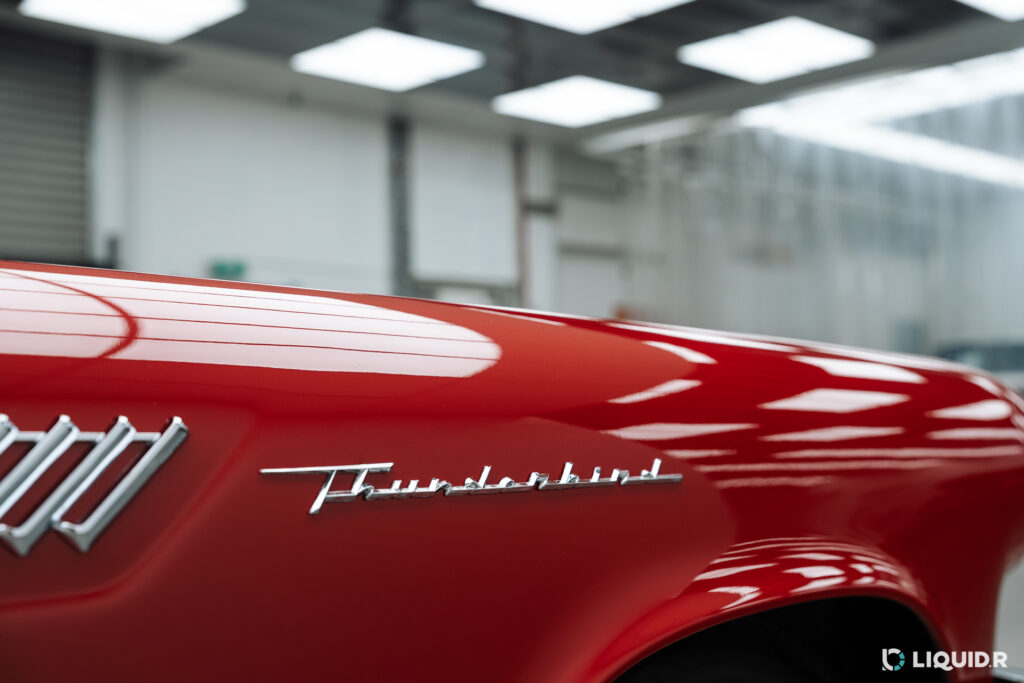
Classic vehicles, on the other hand, commonly feature single-stage paint systems where colour and protection exist as one. While these finishes can sometimes appear thicker on a gauge, they demand a different kind of respect. Any polishing directly removes pigmented material, so every pass permanently alters the surface. Add decades of UV exposure, oxidation, and possible past repairs, and paint thickness can vary dramatically from panel to panel.
This is why true paint protection, especially on classic or high-value vehicles always begins with meticulous inspection, paint depth mapping, and an understanding of how the paint was originally applied. There is no universal approach. Each surface dictates its own limits.
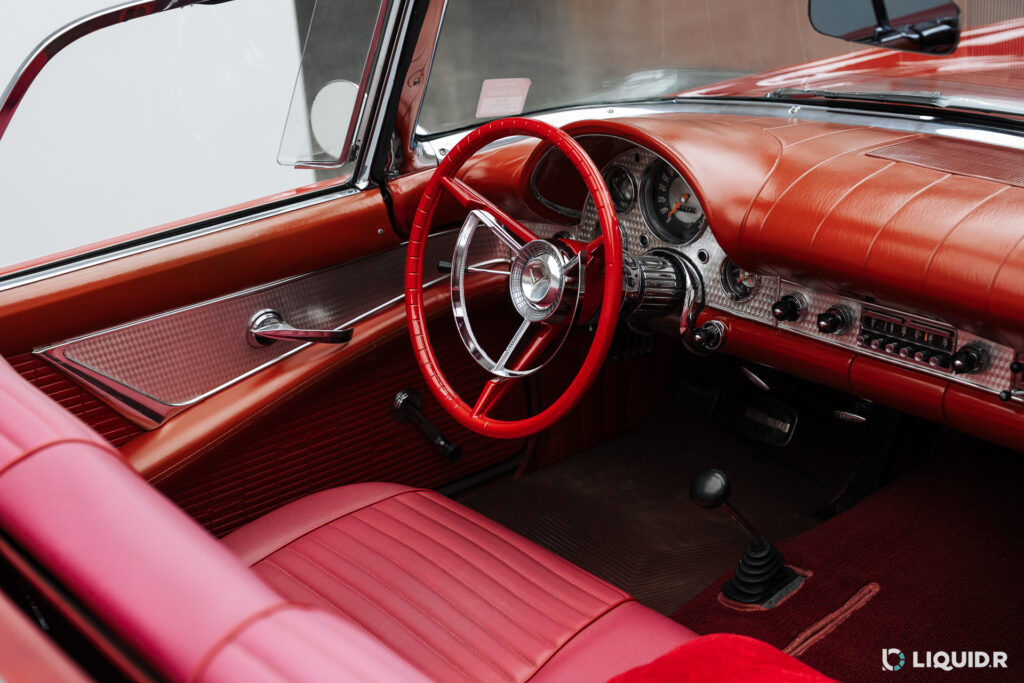
An experienced paint protection specialist focuses on preservation first, enhancing gloss and clarity only within safe tolerances. The goal is not to chase perfection, but to protect what cannot be replaced, maintaining originality, structural integrity, and long-term value. When done correctly, paint protection respects both the vehicle’s finish and the manufacturing realities behind it, ensuring the car looks exceptional today without sacrificing its future.
Protection That Respects Originality
Traditional wax has long been the go-to for classic vehicles, but it is no longer the most effective form of protection available. While wax offers a sacrificial layer and a warm, period-correct glow, its durability is limited and it provides minimal resistance to UV exposure, environmental fallout, or physical damage.
Modern protection systems now allow for far greater preservation, when used correctly. Low-build ceramic and graphene coatings can be applied in a way that maintains the original look of the paint while significantly improving resistance to oxidation, staining, and moisture ingress. When properly selected and installed, these nano coatings do not add excessive gloss or thickness, nor do they mask the natural character of older finishes. The emphasis is subtle enhancement, not modernisation.
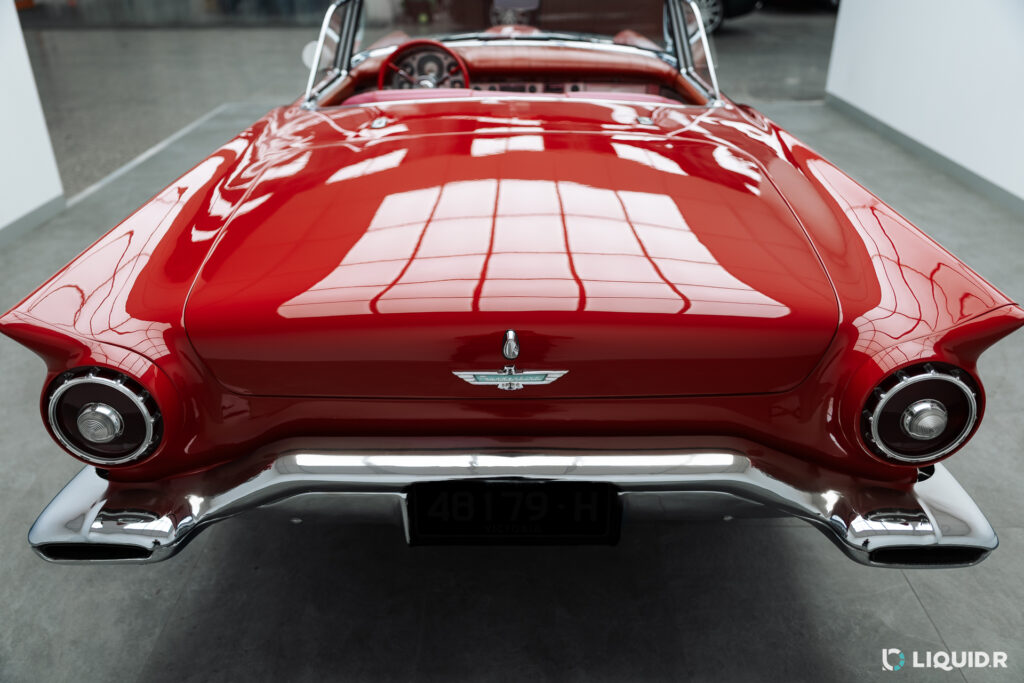
For impact-prone areas, selective paint protection film offers the highest level of physical defence. Rather than full-vehicle coverage. Which can compromise authenticity. PPF is typically reserved for high-risk zones such as leading edges, mirror caps, door edges, and lower guards. Applied discreetly, it shields irreplaceable paint from stone chips and abrasion without disrupting visual harmony.
The modern approach to protecting classic vehicles is layered and intentional. Wax still has a place, but it is no longer the benchmark. The focus today is on preservation through controlled, reversible, and minimally invasive protection. Ensuring the vehicle retains its originality while benefiting from advances in paint protection technology.
Melbourne’s Environmental Challenges
Melbourne’s climate is challenging for classic cars. UV exposure can cause oxidation and fading, while dust, construction debris and occasional heavy rain can leave contaminants embedded in the paint. Coastal areas add salt air into the mix, which can accelerate corrosion.
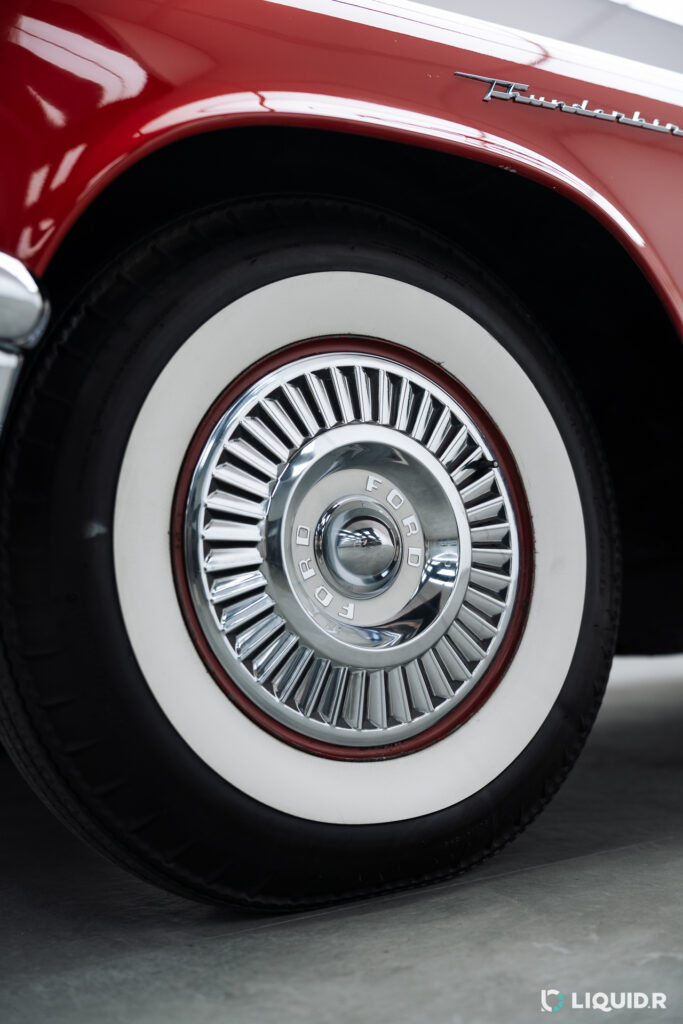
A classic car detail in Melbourne must include a plan for ongoing maintenance. This might mean seasonal waxing, regular inspections, and careful storage solutions. The objective is to maintain the finish without overworking it, preserving the car for future generations. Talk to the team at liquid R for your custom paint protection plan.
The Value of Preservation Over Perfection
Classic car detailing is not about making the vehicle look new. It’s about making it look cared for. The most valuable classics are those that show thoughtful preservation rather than aggressive restoration. For owners who want to protect the originality and elegance of their classic, a specialist detailing approach is essential.
In Melbourne, where the environment is both beautiful and harsh, preservation-led detailing is the most reliable way to protect the investment and heritage of a classic vehicle.