-
Mistakes to Avoid After a Ceramic Coating
 by
by
January 23, 2026
Ceramic Coating Is Only the Beginning
Ceramic coatings are among the most effective protection systems available today, but their performance depends heavily on what happens after the application. A coating is not a “set and forget” product. It is a protective layer that requires correct maintenance, careful washing, and regular inspections.

Many coating issues arise from misuse or misunderstanding. It’s not the coating failing, it’s the maintenance routine that is not aligned with the technology. In Melbourne, where dust, hard water and UV exposure are constant, the right aftercare is essential.
The Wrong Washing Routine Can Reduce Performance
One of the most common mistakes we see from over enthusiastic customers at Liquid R is washing too soon. Coatings need time to cure and bond fully. While the surface may feel dry after a few hours, the bond continues to strengthen over days. Washing with strong detergents, using high-pressure washers, or exposing the vehicle to harsh chemicals too early can compromise the coating.
Even after the cure period, the wrong wash products can reduce hydrophobic performance. Acidic or alkaline cleaners, aggressive degreasers, and abrasive polishes can degrade the coating over time. The safest routine is a pH-neutral shampoo and a gentle two-bucket wash method.
Automated car washes are another common risk. Even touchless systems can leave mineral deposits or residual chemicals that weaken coating performance. For ceramic-coated vehicles, hand washing remains the most reliable option.
Contamination Still Matters
Ceramic coatings reduce contamination bonding but do not eliminate it. Environmental fallout, brake dust, bird droppings, tree sap, and industrial pollution still accumulate on the surface. If left unattended, these contaminants can etch or stain the coating.
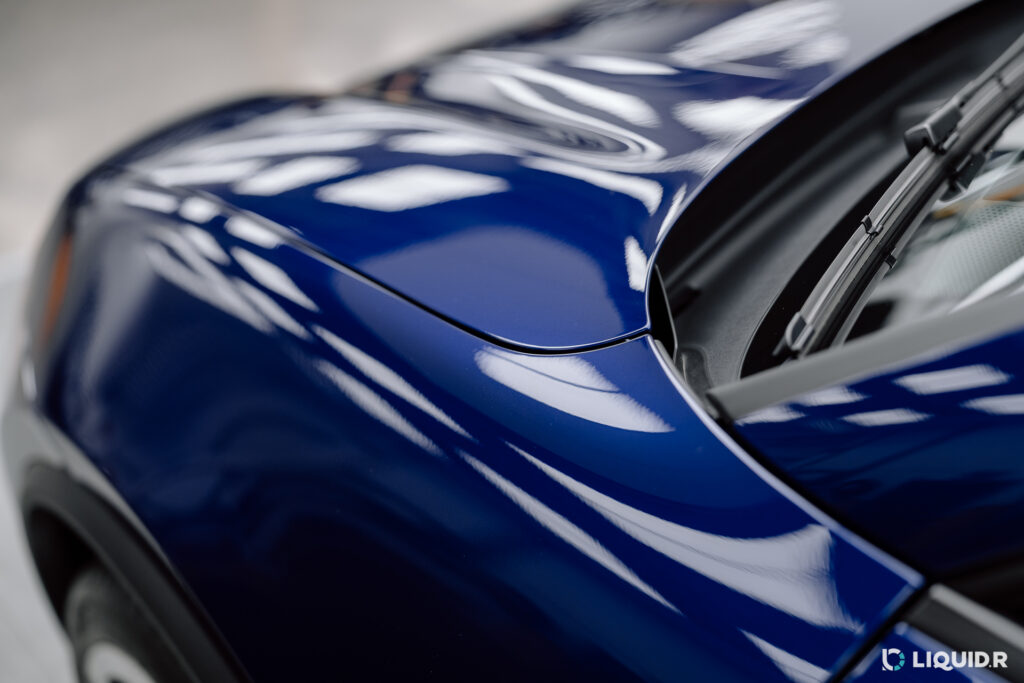
In Melbourne, hard water is a frequent issue. Water spots can form quickly, especially when water is left to evaporate in direct sunlight. Regular maintenance, including gentle decontamination, helps maintain the coating’s performance and appearance.
Maintenance Isn’t Optional
Many owners assume paint protection like ceramic coatings remove the need for maintenance. This is not true. Maintenance is essential for longevity and performance. Regular inspections can identify early signs of contamination build-up or reduced hydrophobic behaviour, allowing for corrective maintenance before damage occurs.
Professional maintenance services are designed to extend the life of the coating and keep the finish looking premium. This includes safe decontamination, gentle surface revitalisation, and protective top-ups.
Protect the Whole Vehicle, Not Just the Paint
While ceramic coatings are widely known for protecting paint, many owners overlook other vulnerable surfaces. Trim, rubber seals, glass, and wheels are all exposed to UV radiation, road grime, brake dust, and environmental contaminants. Over time, these elements can fade, dry out, stain, or corrode. So a complete protection plan should address the whole vehicle, not just the paint.
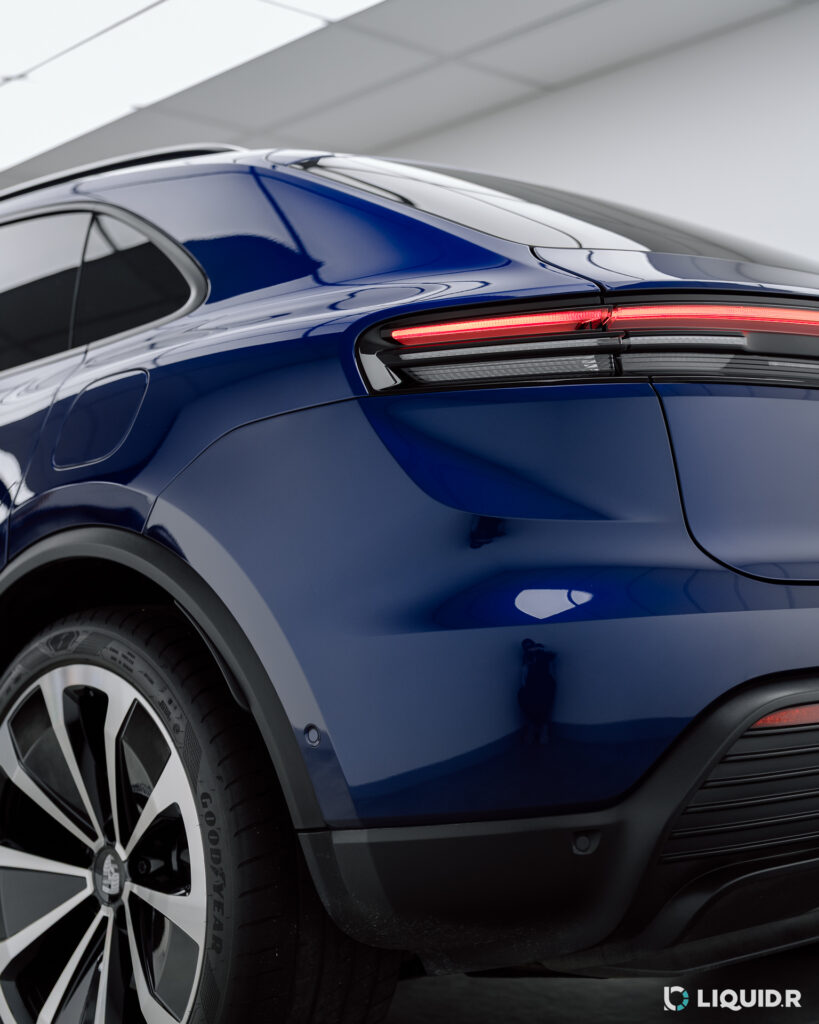
For Melbourne vehicles, where sun exposure and road conditions can be harsh, a comprehensive approach is often the most effective way to maintain a premium finish. This typically includes:
- Glass coating to improve clarity, repel water, and reduce staining
- Trim protection to prevent fading and restore appearance
- Wheel protection to help resist brake dust, grime, and corrosion
A full protection strategy ensures the entire vehicle ages more gracefully, not just the painted surfaces.
The Real Key to Long-Term Performance
A ceramic coating performs best when it is treated as part of a complete protection system. Proper curing, correct washing methods, contamination control, and regular maintenance are what determine longevity. When these elements are aligned, ceramic coatings deliver the premium performance they are known for, but only if they are cared for correctly.